

Efficient ground operations depend on more than just individual pieces of equipment.
Ground power, pre-conditioned air, charging, equipment location, and gate workflows must work together to keep aircraft turnarounds moving.
 Télécharger les brochures
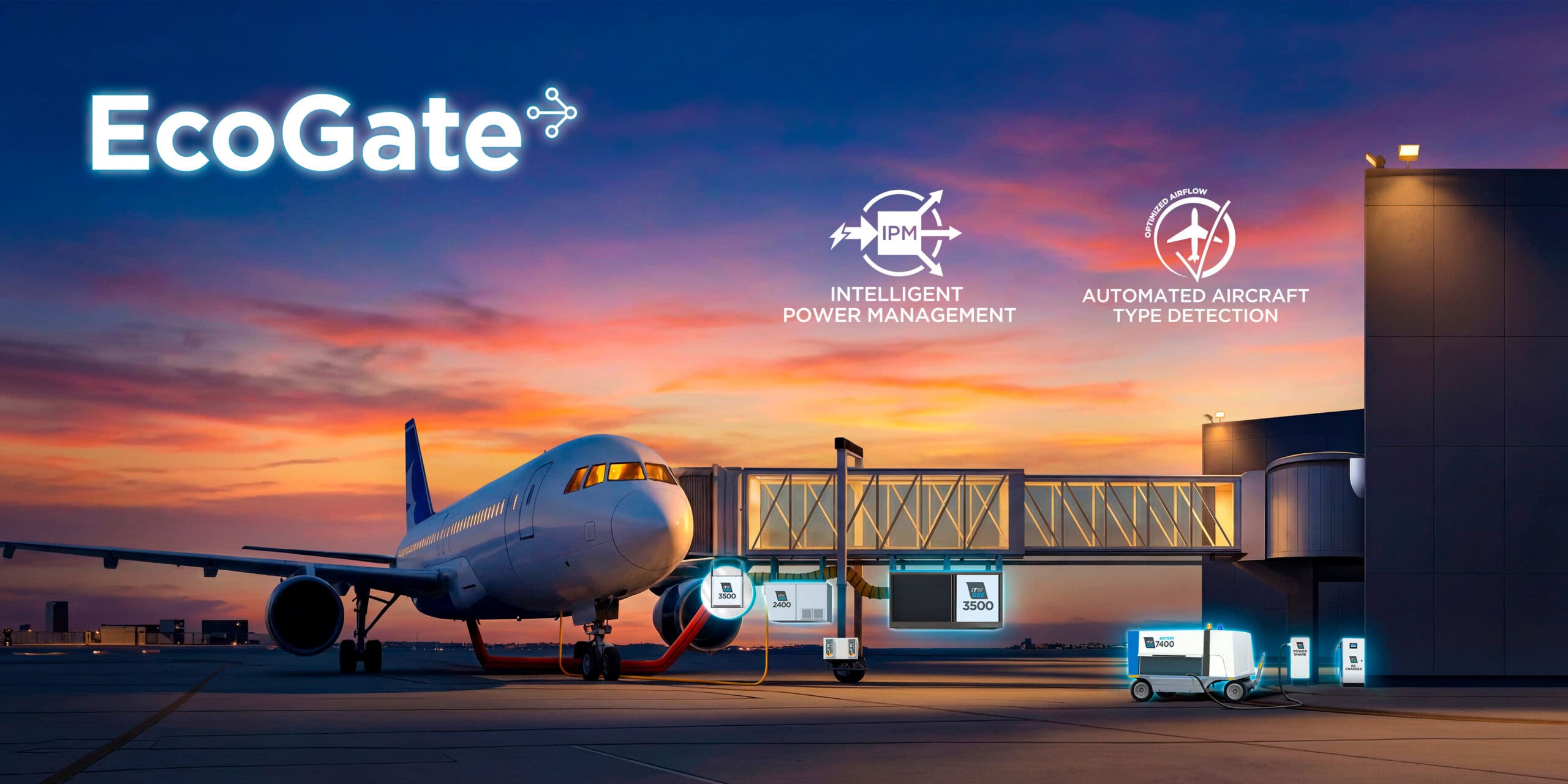
 EcoGate

Efficient ground operations depend on more than just individual pieces of equipment.
Ground power, pre-conditioned air, charging, equipment location, and gate workflows must work together to keep aircraft turnarounds moving.
Airports can reduce turnaround time by ensuring that GSE, like ground power, and pre-conditioned air, are ready before each service task begins.
From our long experience in the industry, we have seen that delays are often caused by small gaps between activities. Equipment may arrive late, cables or hoses may take time to connect, or aircraft support may not be available when the aircraft reaches the stand.
Clear workflows, reliable equipment, and better coordination help reduce waiting between tasks. The aim is not simply to make each unit faster, but to make the handover processes flow smoothly.
A bottleneck often occurs when several activities need the same space, equipment, or electrical capacity at the same time. This may lead to waiting, unnecessary movement, or delays between service tasks.
A coordinated gate setup can help airports:
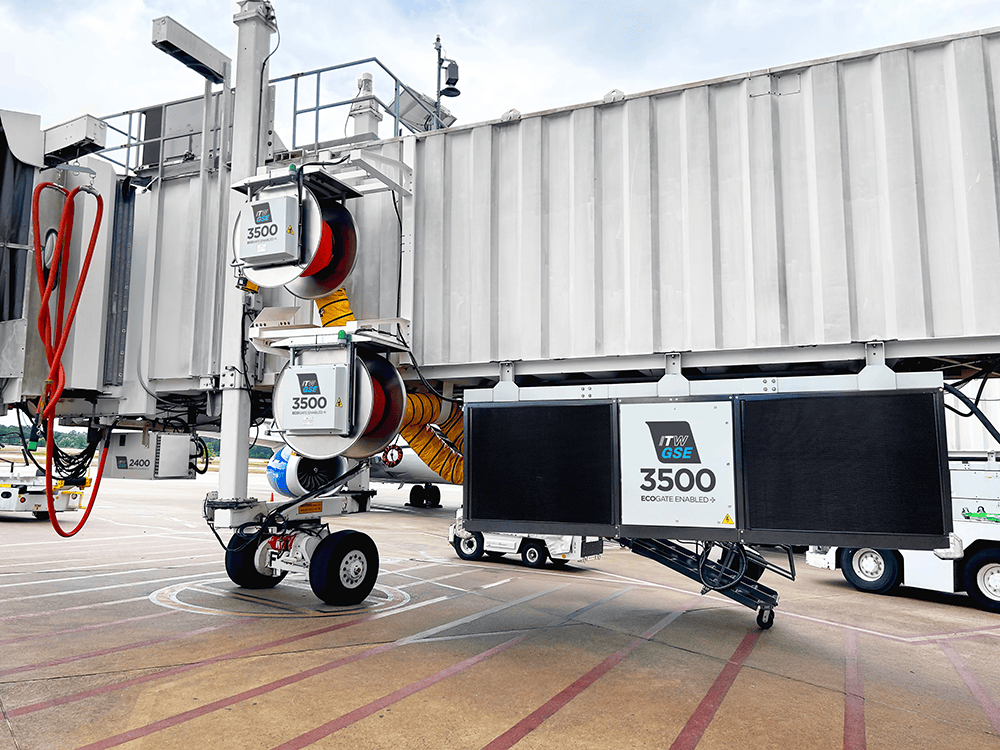
The 3500 PCA and the 3500 Air Coil reduces the towing and repositioning, and it eases the PCA hose handling, especially in limited spaces.
From our countless trips to airports all around the world, we have seen that GSE availability can be improved by planning equipment capacity around the busiest operating periods and by reducing the time that units spend away from the operation.
Case story:
At one airport, GSE availability was limited not by the number of units, but by the distance between aircraft stands and charging points. By moving charging closer to the operation, the airport reduced non-productive equipment movement during peak periods.
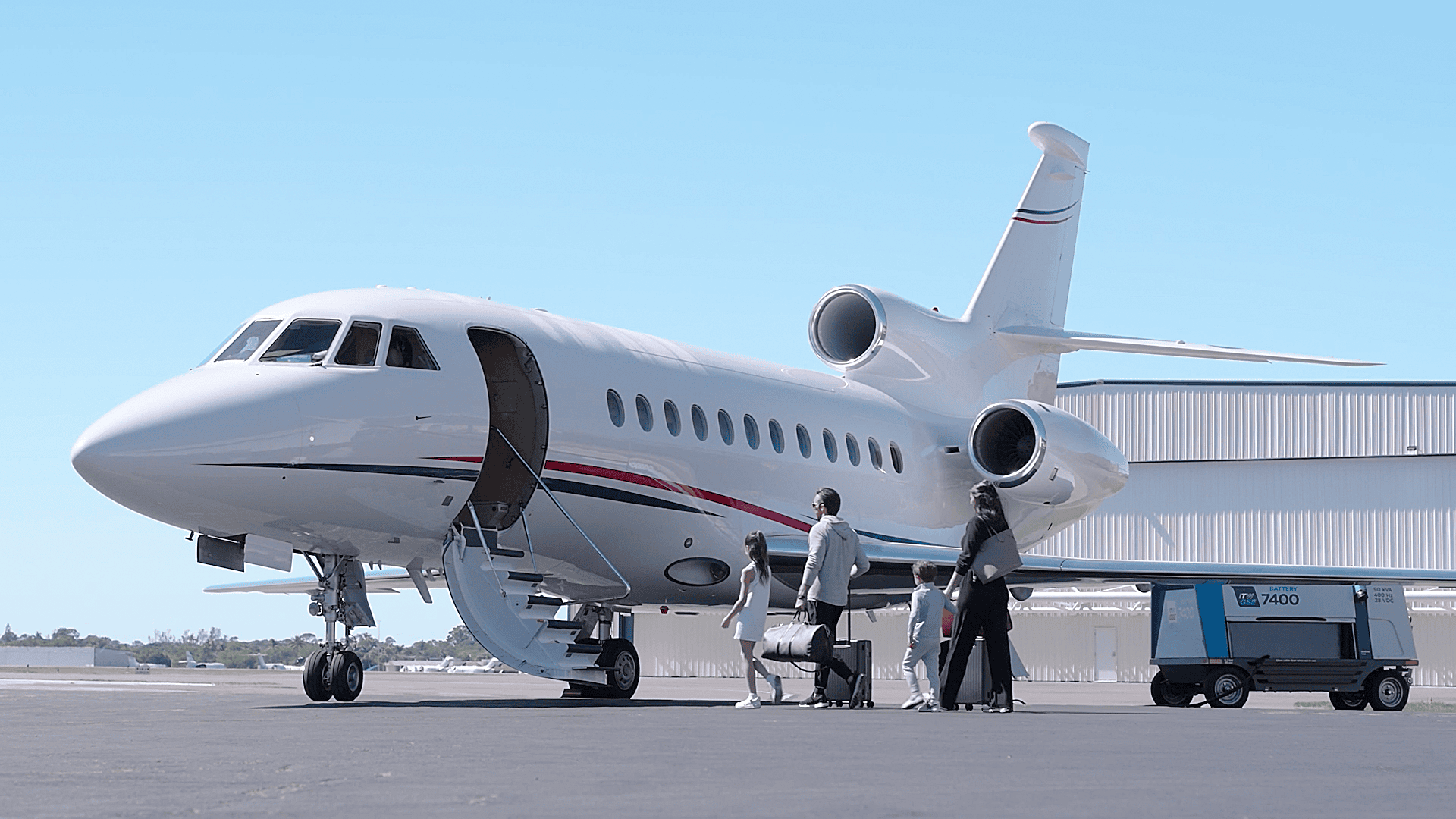
A general solution to improving GSE availability during peak hours is, from our point of view, a mix of fixed and mobile equipment across gates and remote stands.
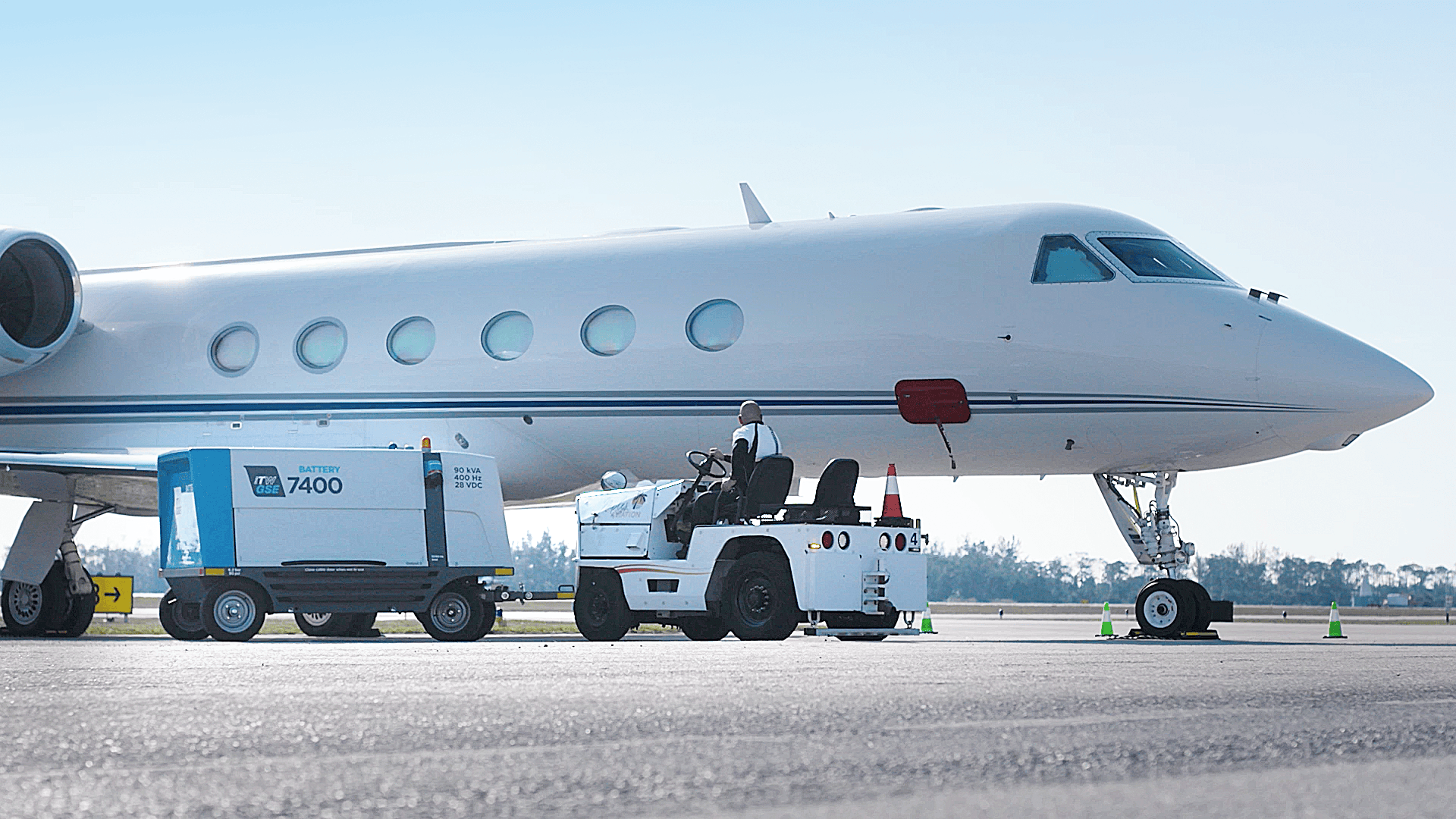
Charging supports efficient operations when it happens during natural free periods and close to where electric GSE is used.
When equipment must leave the operational area to charge, the availability falls and movements across the apron increases.
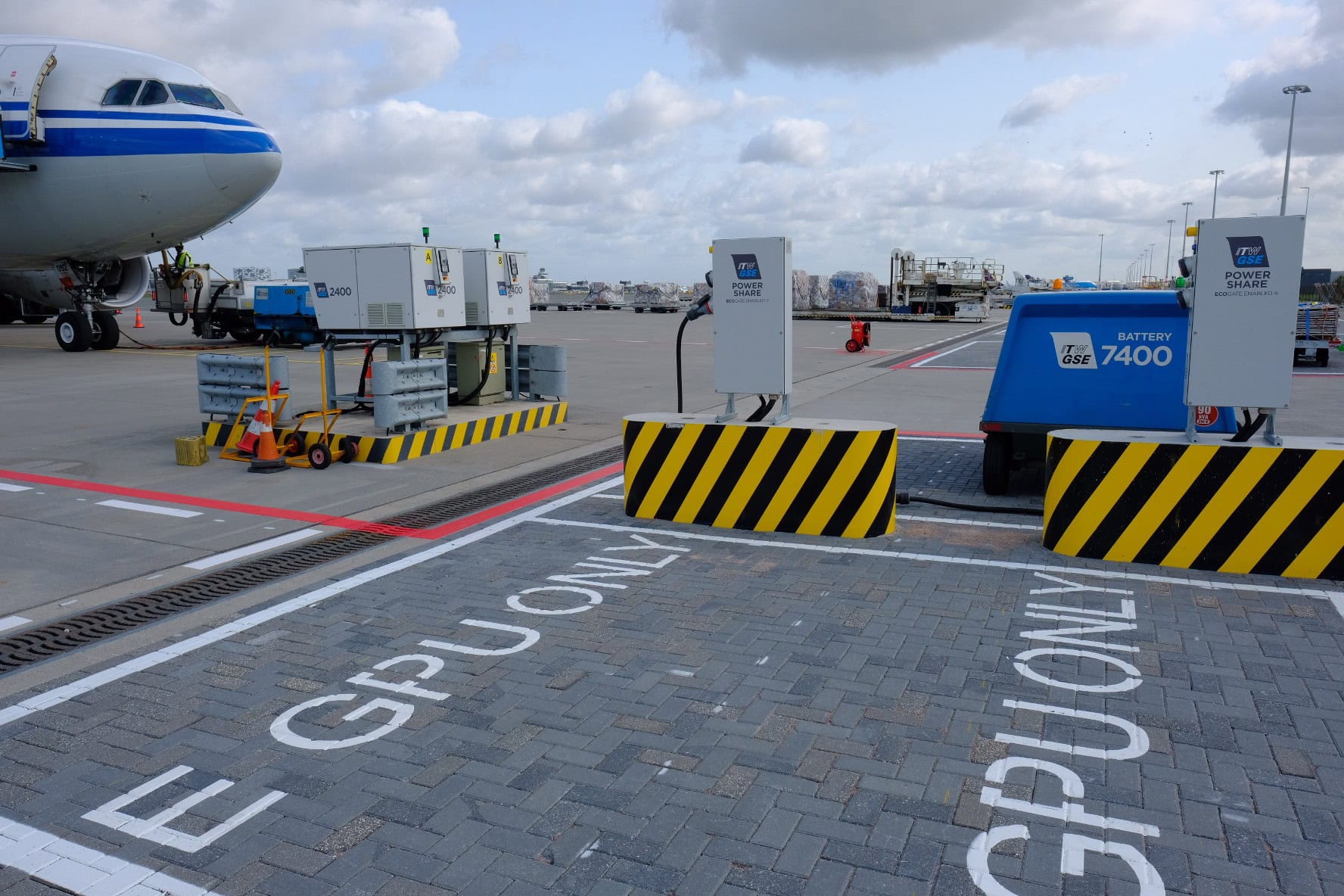
This is why we recommend gate-level or point-of-use charging as it can reduce time wasted on towing the equipment across the apron.
We also recommend charging to be coordinated with GPU and PCA demand, with aircraft support staying the priority, while GSE charging uses any available capacity when operational conditions allow.
Airports can improve GSE reliability through:
Do you want to improve your team's knowledge with your ITW GSE equipment?
Book an in-person training session at our Training Academy!
Pick the equipment of interest, and tell us your level of experience with the products, and we will prepare a training program that suits your needs.
In today's busy airport settings, individual equipment solutions cannot deliver the necessary power - we need a combined system to make the GSE operation run smoothly.
The EcoGate system supports coordinated gate operations by bringing power, air, charging, and equipment management together in one system approach.
When using EcoGate, aircraft-critical functions remain the priority, while available power and equipment capacity can be used more effectively across the gate.
This can help airports reduce bottlenecks, improve GSE availability, and support reliable turnarounds without treating each operational challenge as a separate project.
Getting started with EcoGate only requires two EcoGate enabled units, and with time you can expand the system to include more equipment as you develop your GSE operations.