




Alternative Fuel Practices Begin to Permeate the Aviation Industry
Fuel effects and pollution from emissions have been an ongoing debate, and with recent surges in flight count and passenger travel, which are forecasted to exponentially grow in the coming years, the question arises of how dire this concern is becoming. Already, the industry is moving towards producing and testing alternative-fuels to cut back on engine pollutions not only on the tarmac, but also in the air. These fuels may not serve just as a substitute for jets, but could be the future of the entire aviation industry.
Recently, NASA explored alternative fuel options by performing a study on biofuels and the emission substances. In an article titled “Biofuels cut jet engine pollution, NASA study shows,” by Anmar Frangoul, it was recorded that the tested alternative fuels did not emit as many particle emissions in the exhaust, causing a reduction of 50-70 percent. The subtraction of particle emissions should help minimize impacts on Earth’s environment, Frangoul said.
Although NASA’s study conveyed the advantages of using alternative fuels, according to the article, “Biofuels may be the future of the aviation industry,” by Jon LeSage, these alternative gases won’t be replacing industrial jet fuels very soon. Nonetheless, they are still being highly considered. “On average, the aviation sector…produces its share of greenhouse gas emissions as a transport sector, which airline executives and regulators have been working on reducing through alternative fuels…” LeSage said.
According to LeSage’s article, implementing alternative fuels into the aviation industry has been met by some barriers. Presently, there are issues with the support for the use of alternative fuels in aviation, finance and assistance programs and legal and regulatory frameworks. These obstacles, however, are not halting exploration of resourceful practices, which include more fuel-efficient airplanes, optimizing flight plans and turning off jet engines while they are on the tarmac, LeSage said.
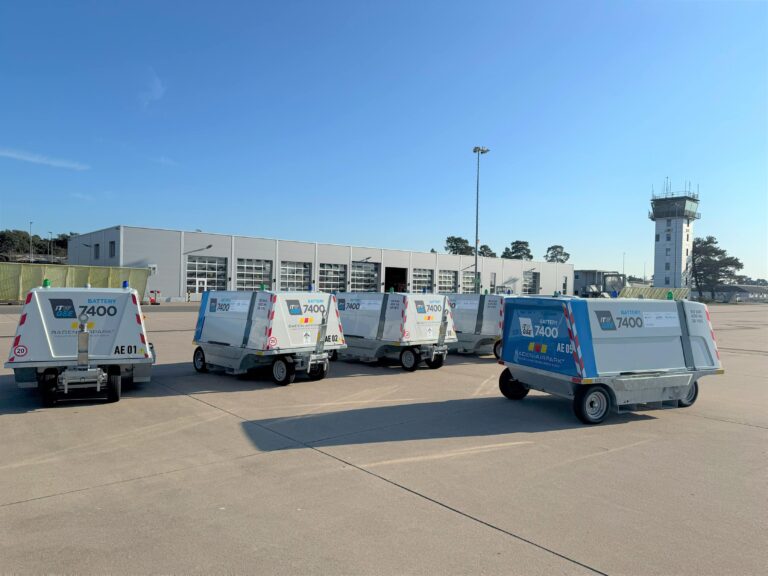
Ultimately, the purpose of a reliable fuel economy is to keep the skies clear and the environment clean. As alternative-fuels are beginning to permeate jet companies, the next step is to include the entire aviation industry – including ground support equipment – in these endeavors for a healthier world. This will preserve not only the skies from pollution but also the tarmacs and the runways.