



A synopsis of Business Aviation Insiders article, “Mitigating Weather Risks”
Our friends at Business Aviation Insider are well versed on everything aeronautics. Whether it’s big-brand jet operations or privately-owned plane activities, Insider has the low-down on essential information and trends. Recently, they covered the dangers of weather in their article “Mitigating Weather Risks. Single pilots need to use a variety of tools to minimize weather hazards.” The crux of the matter is weather should never be underestimated. The best recipe for safety is to predict and protect. Listen to your gut and the radar.
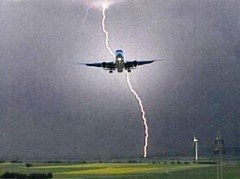
Mother Nature is no force with which to gamble. According to statistics given in the article, 35% of aviation accidents are caused by severe weather. Moreover, 75% of those accidents are fatal. This is no horseplay. The key to bolstering any risk is to understand the steps essential to mitigating mishaps during harsh weather.
“You have to look at aircraft capability and your skill, especially for lower-performance aircraft,” Mike Graham, director of flight operations, safety, security and standardization at Textron Aviation said in the Insider article. “You look at the accident data, and [it’s clear that] items are being overlooked. There’s a lack of recurrent training, higher risk tolerance or a disregard for precautions.”
In order to safeguard every pilot’s time in the sky, security protocols require fliers to familiarize themselves with relevant flight information and ensure conditions give the green light for take off.
To understand the conditions, pilots should understand meteorology. Recognize forceful weather, turbulence, icing and thunderstorms and learn it for all types of seasons.
The best advice to take, however, is to simply plan ahead and have a contingency strategy in case weather appears during flight. Check weather apps, review forecasts, look for trends and don’t let your guard down.
“Risk assessment must continue all the way up to departure time and throughout the flight because weather can quickly change,” the Insider article stated. “Pilots [should] consult with flight service station briefers because they often can provide insights not possible to obtain simply by reading published weather reports or using on board avionics.”
Sometimes, the safest thing to do is just decide it’s not a good day to glide. It’s especially important to adhere to personal minimums. Know your level. Know what you can handle.
There are numerous weather resources available to pilots. However, Business Aviation Insider suggests using PIREP’s, which gives accounts of actual conditions aloft and three-dimensional looks at the atmosphere.