


Efficient ground operations depend on having the right equipment available at the right place and time.

Airport Ground Operations and GSE Efficiency
How can airports reduce aircraft turnaround time?
Airports can reduce turnaround time by ensuring that GSE, like ground power, and pre-conditioned air, are ready before each service task begins.
Many delays are caused by small gaps between activities. Equipment may arrive late, cables or hoses may take time to position, or aircraft support may not be available when the aircraft reaches the stand.
Clear workflows, reliable equipment, and better coordination help reduce waiting between tasks. The aim is not simply to make each unit faster, but to make the full turnaround process flow more smoothly.
How do airports avoid bottlenecks at the gate?
Airports can avoid gate bottlenecks by coordinating equipment movements, aircraft support, and power demand around the turnaround plan.
A bottleneck often occurs when several activities need the same space, equipment, or electrical capacity at the same time. This may lead to waiting, unnecessary movement, or delays between service tasks.
A coordinated gate setup can help airports:
- Prepare equipment before the aircraft arrives
- Keep cables and hoses managed around the stand
- Prioritize aircraft-critical systems
- Reduce unnecessary towing and repositioning
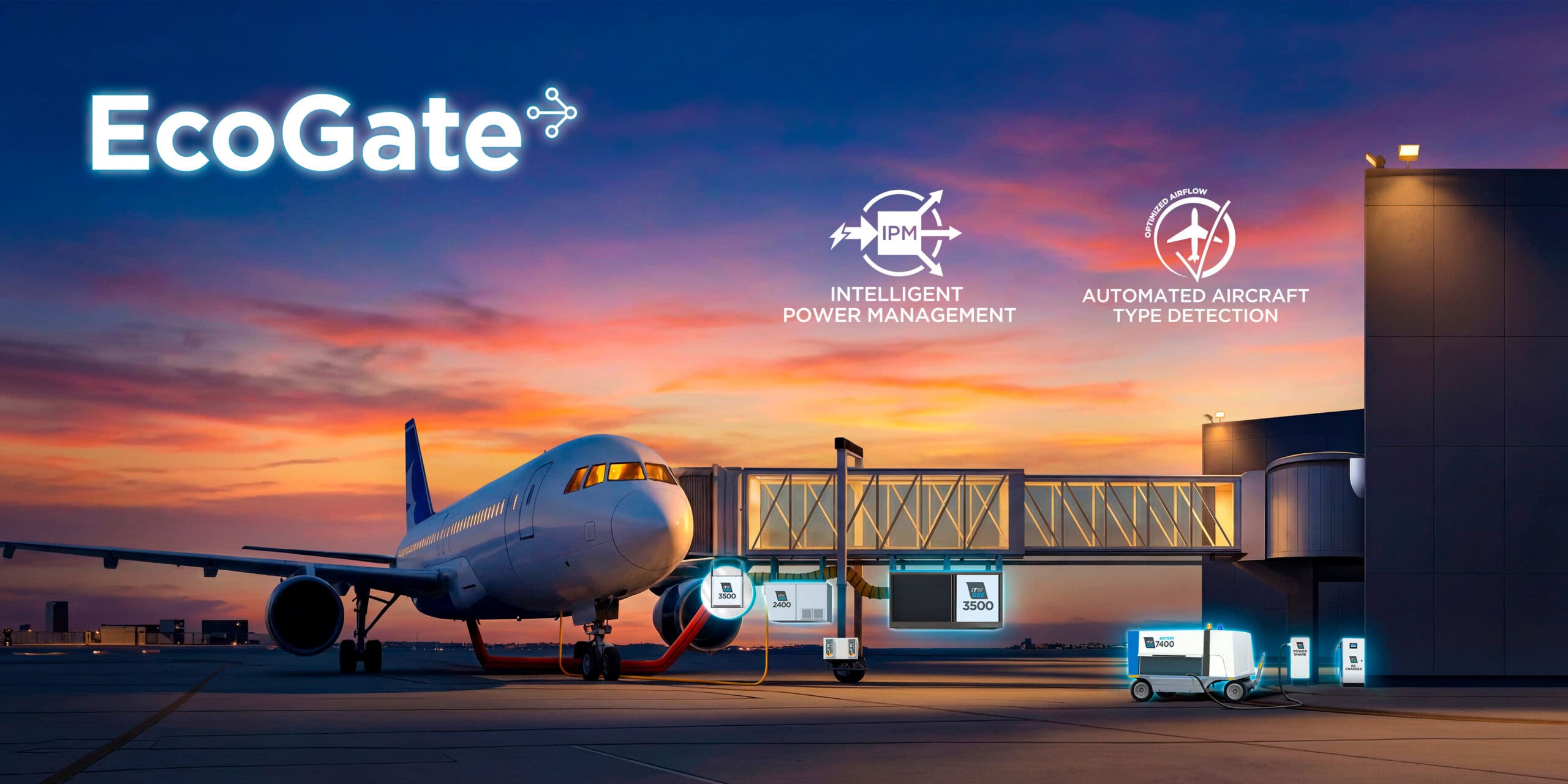
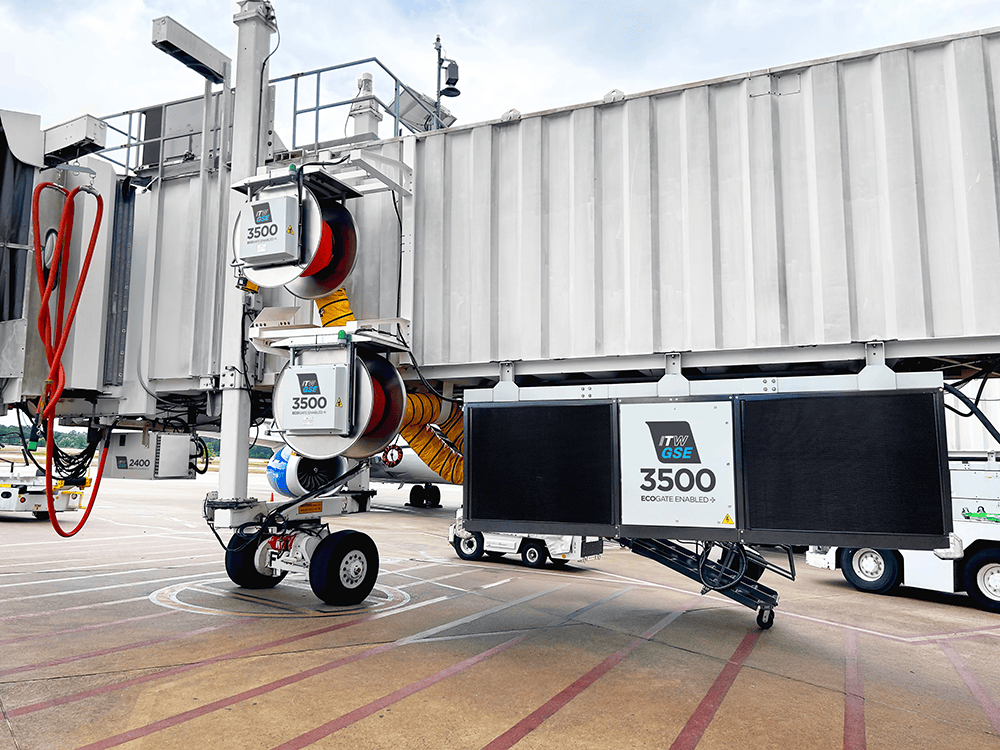
EcoGate supports this approach by connecting equipment and power use across the gate.
How can GSE availability be improved during peak hours?
GSE availability can be improved by planning equipment capacity around the busiest operating periods and by reducing the time which units spend away from the operation.
Peak-hour shortages are not always caused by a lack of equipment. They may also result from long towing routes, central charging, poor allocation, or equipment waiting between tasks.
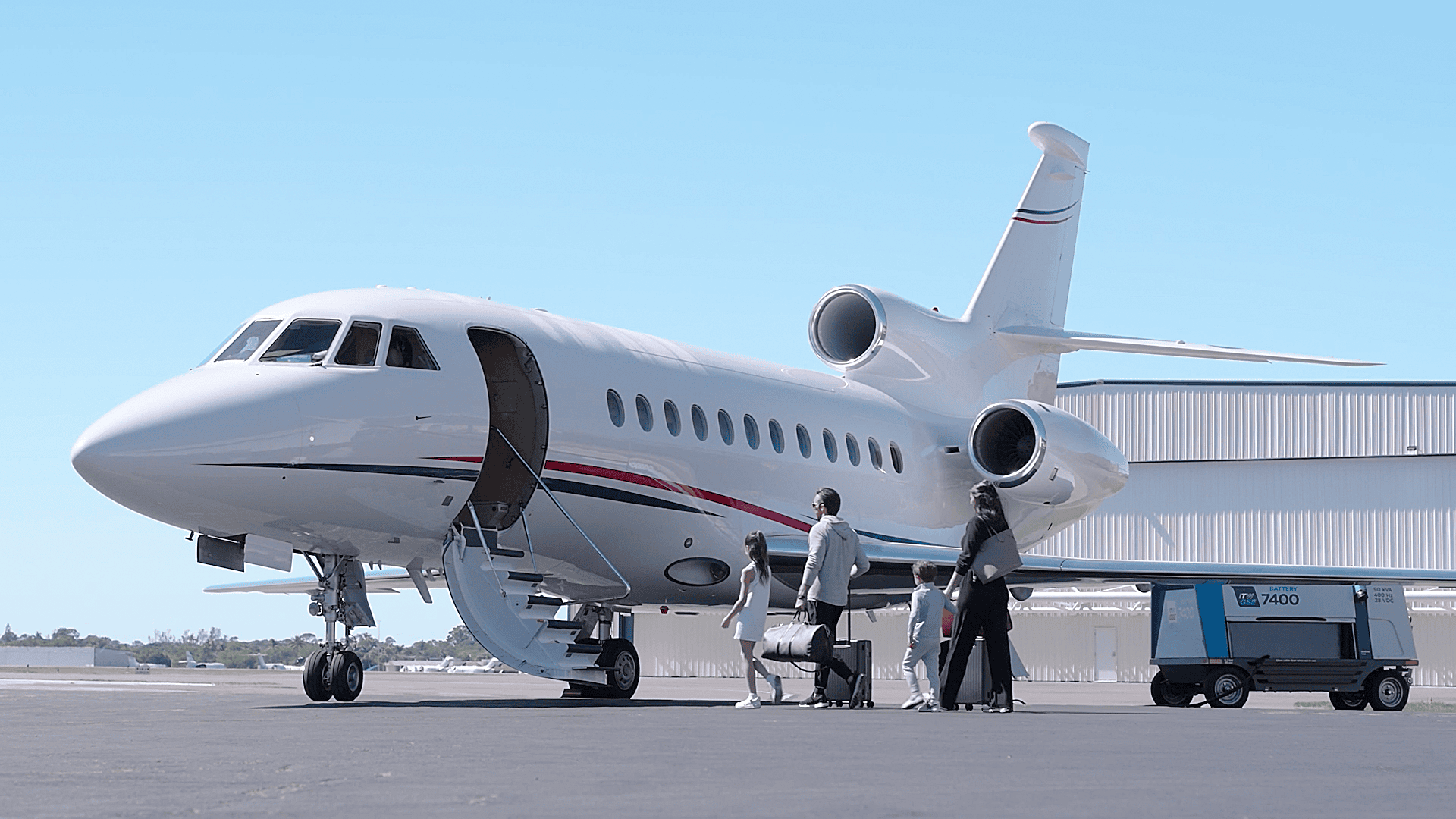
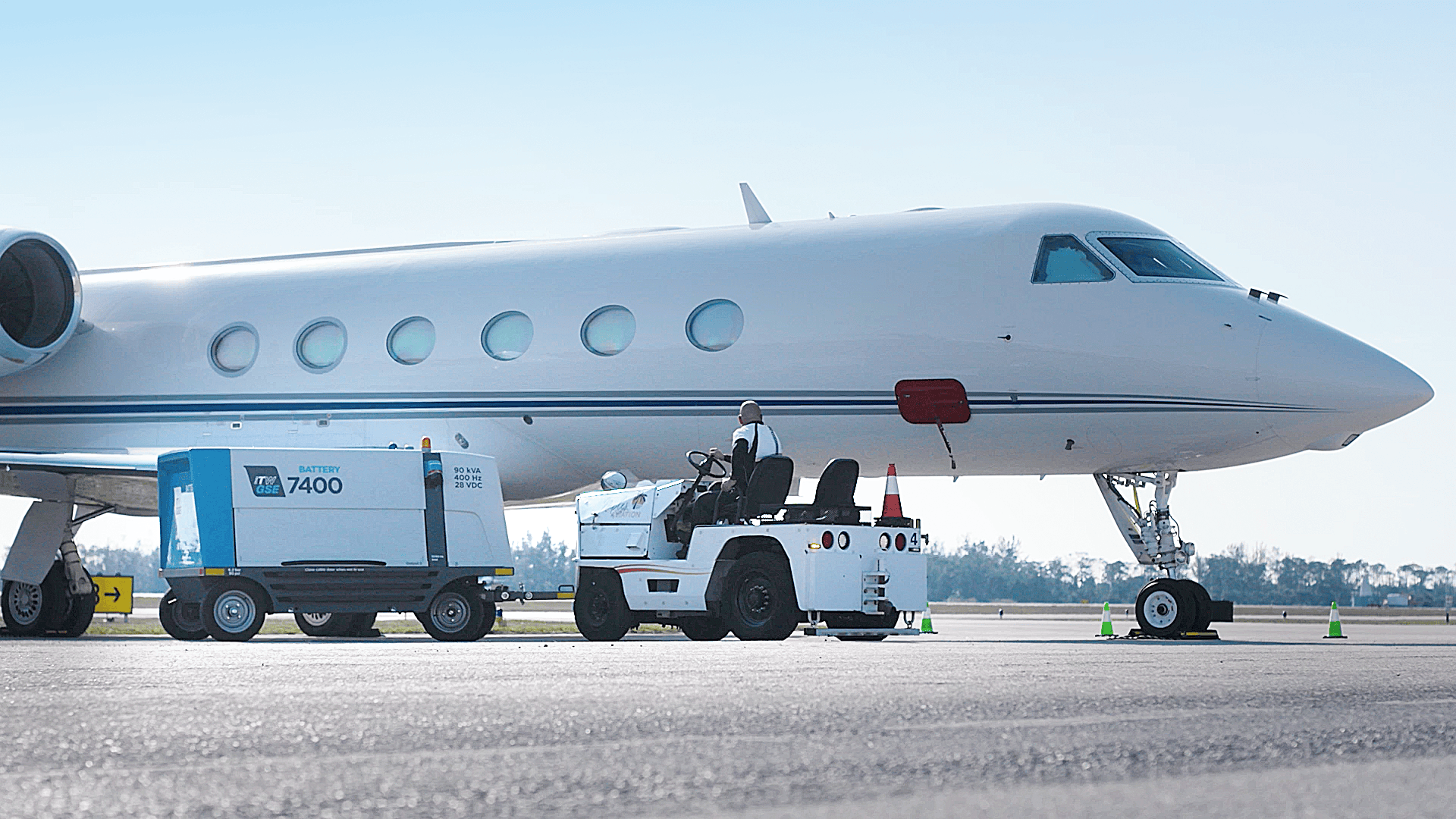
Charging and aircraft support closer to the point of use can help keep more GSE ready during busy periods. A mix of fixed and mobile equipment can also provide flexibility when demand changes across gates and remote stands.
How can charging support more efficient ground operations?
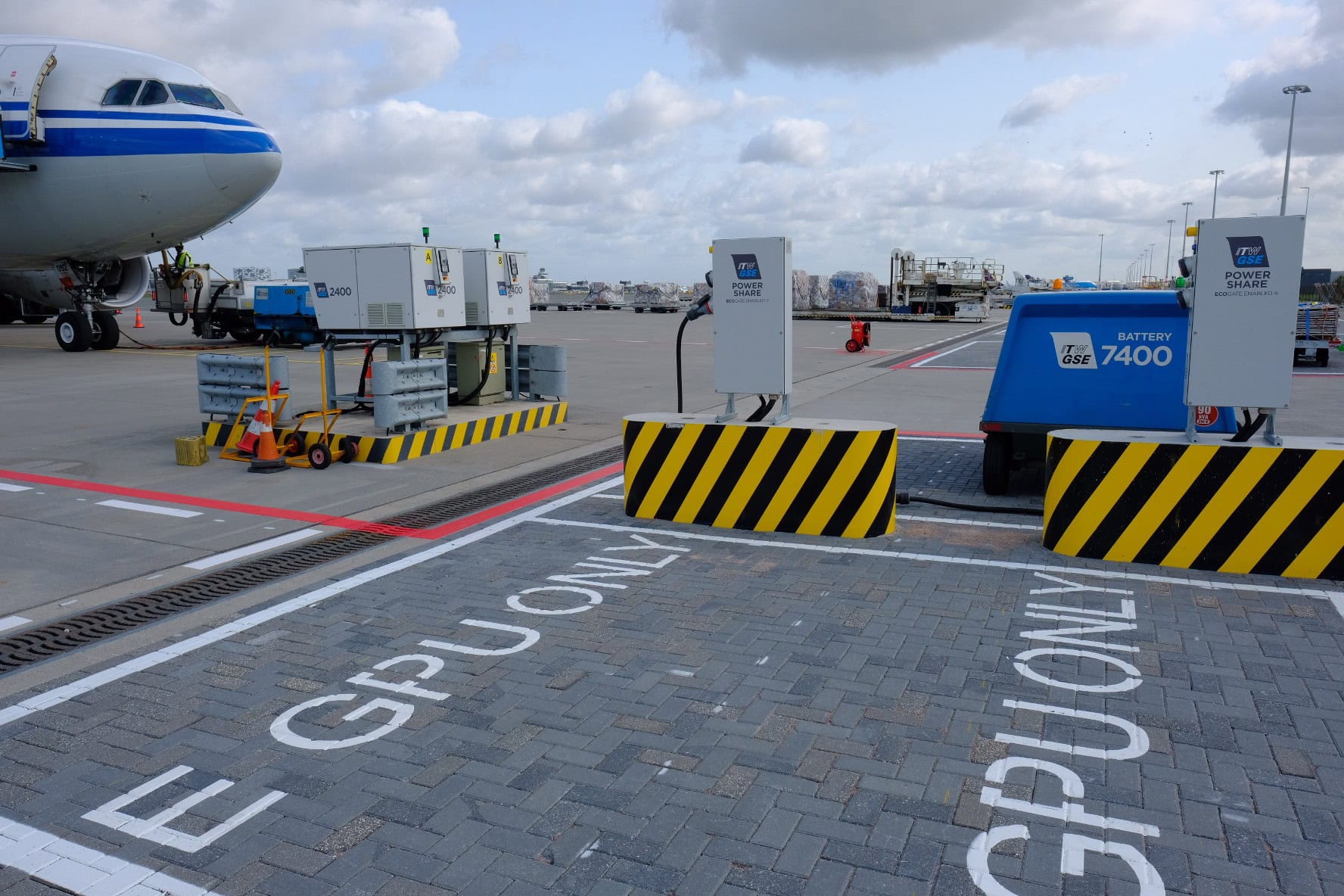
Charging supports efficient operations when it happens during natural free periods and close to where electric GSE is used.
When equipment must leave the operational area to charge, availability falls and apron movement increases. Gate-level or point-of-use charging can reduce this lost time.
Charging should also be coordinated with GPU and PCA demand. Aircraft support must remain the priority, while GSE charging uses available capacity when operational conditions allow.
How can airports improve GSE reliability?
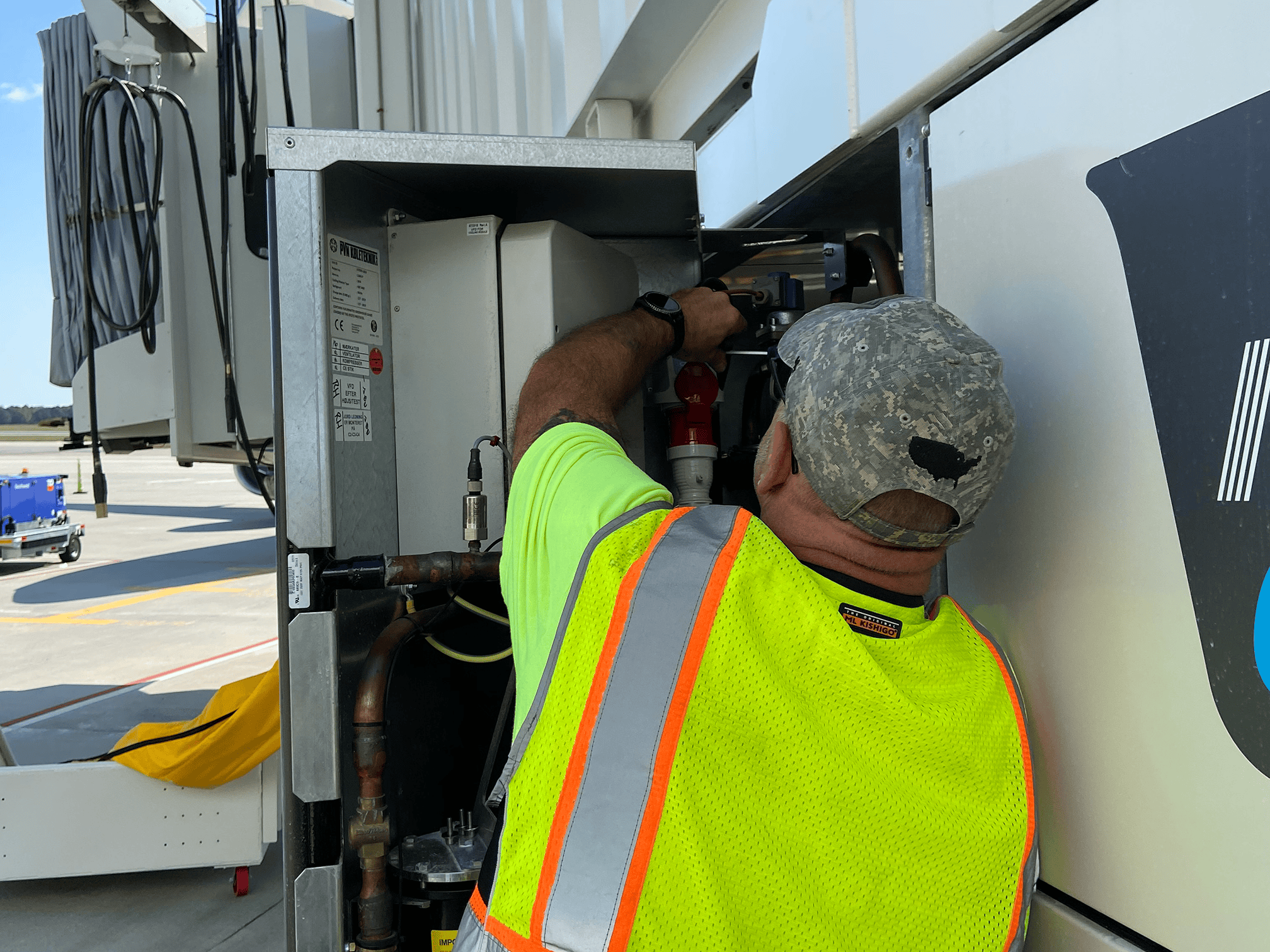
Airports can improve GSE reliability through preventive maintenance, trained operators, accessible service support, and equipment that is easy to inspect and maintain.
Reliability also depends on operational planning. Equipment that is overloaded, poorly charged, or frequently moved between distant areas may experience more wear and reduced availability.
A clear maintenance plan should therefore be combined with suitable equipment allocation, charging routines, and backup capacity.
From individual GSE units to coordinated operations
Efficient ground handling is not achieved by optimizing each piece of equipment in isolation.
GPU, PCA, charging, cables, hoses, and mobile GSE all influence the same turnaround. When these elements are managed separately, small delays can build across the operation.
A system-based approach connects equipment, power, and workflows so that resources are available when the aircraft and handling teams need them.
Support efficient gate operations with EcoGate
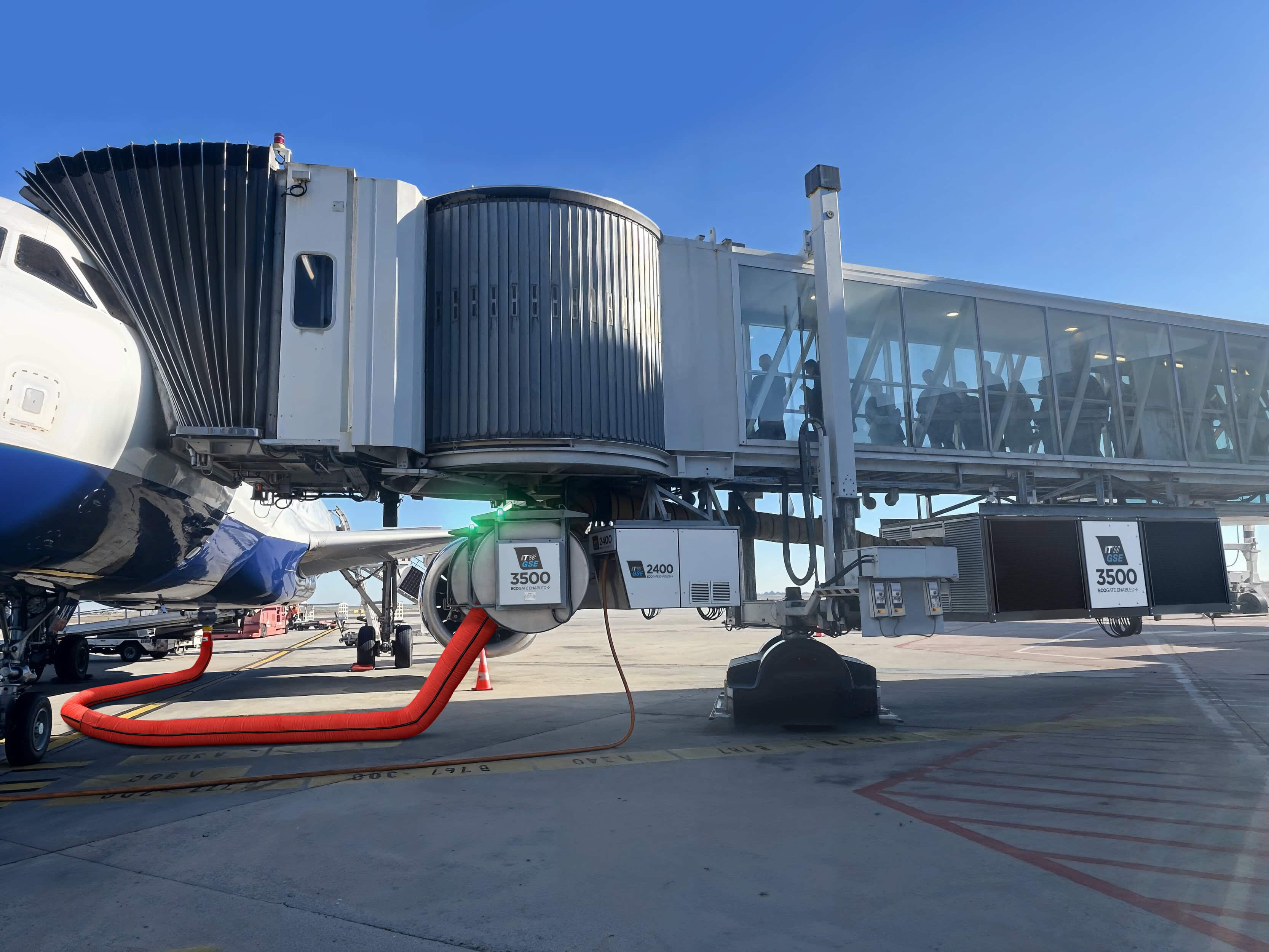
EcoGate supports coordinated gate operations by bringing power, air, charging, and equipment management together in one system approach.
Aircraft-critical functions remain the priority, while available power and equipment capacity can be used more effectively across the gate.
This can help airports reduce bottlenecks, improve GSE availability, and support reliable turnarounds without treating each operational challenge as a separate project.