



How AFIF and TEN-T support investment in PCA and ground power
European airports face increasing pressure to reduce emissions and improve energy efficiency. Alongside regulatory requirements, the EU is supporting this transition through targeted funding.
The Alternative Fuels Infrastructure Facility (AFIF) provides financial support for projects that expand electrical infrastructure, while the TEN-T framework defines key requirements for sustainable airport operations.
Together, they are accelerating investments in pre-conditioned air (PCA) and ground power for stationary aircraft.
AFIF: EU funding for alternative fuels infrastructure
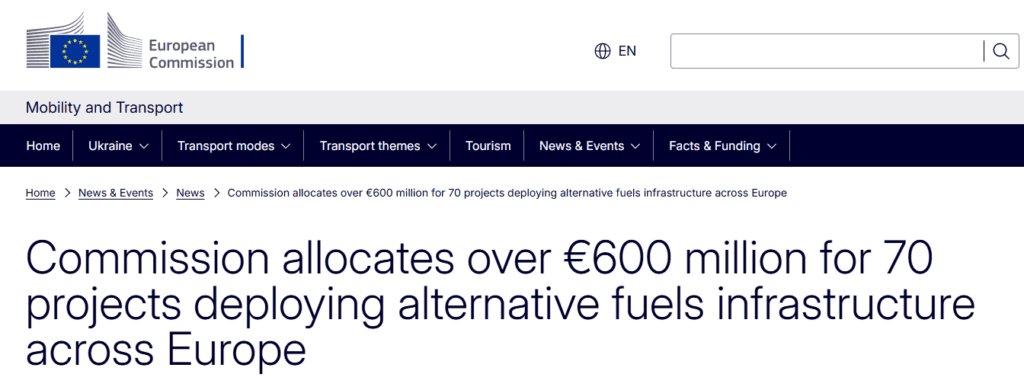
The Alternative Fuels Infrastructure Facility (AFIF), part of the Connecting Europe Facility, supports projects that deploy alternative energy infrastructure across the TEN-T network.
In its latest funding round, the European Commission allocated more than €600 million to 70 projects across Europe. These investments support infrastructure that helps decarbonise transport in urban areas, ports, and airports.
For aviation, AFIF funding can support projects that:
-
Provide electricity for stationary aircraft
-
Enable APU-off operations at gates and stands
-
Expand electrical capacity and energy infrastructure
-
Improve the environmental performance of airport operations
By lowering investment barriers, AFIF helps airports move faster toward low-emission ground operations.
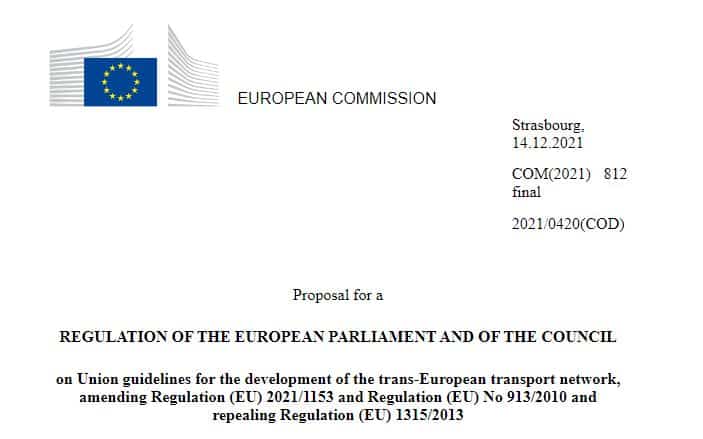
TEN-T Article 33: PCA is part of required airport infrastructure
While AFIF supports investment, the TEN-T framework defines infrastructure expectations for Europe’s core and comprehensive airport network.
Under Article 33, airports must provide pre-conditioned air supply to stationary aircraft as part of their energy and environmental infrastructure.
For larger airports — particularly those handling more than four million passengers annually — PCA is a key element for reducing emissions, noise, and fuel use by enabling aircraft to shut down APUs during turnaround.
Funding and requirements are moving in the same direction
AFIF and TEN-T together send a clear message:
-
TEN-T defines the infrastructure airports need
-
AFIF helps finance the transition
This creates an opportunity to modernize gate infrastructure while reducing financial risk.
Airports should consider:
-
Available PCA and electrical capacity at gates
-
How to expand within existing grid limits
-
Phasing investments to match operational needs
-
Supporting airline emission reduction targets
Many airports face limited grid capacity. A system approach can help. The EcoGate concept coordinates power use across multiple units, allowing more equipment to operate within existing infrastructure and enabling phased electrification.
Supporting AFIF-funded projects with efficient PCA solutions
High-efficiency equipment helps maximize the value of funded infrastructure.
The ITW GSE 3500 PCA delivers electric ground cooling that enables APU-off operations. With flexible installation options and Intelligent Power Management (IPM), it supports capacity expansion while operating within available power.
Efficient PCA solutions help airports deliver measurable environmental benefits — strengthening both funding applications and long-term performance.
A clear opportunity for airports
EU policy now combines funding and infrastructure requirements to accelerate cleaner ground operations.
AFIF supports investment, while TEN-T makes pre-conditioned air a standard expectation at major airports.
Airports that align their projects with these initiatives can secure funding, ensure compliance, and move faster toward efficient and sustainable operations.